Mumbai → Philadelphia · UX + AI
Daiwat Thavai / DYE • vut / / THAH • vye /

Making technology
feel human.

Philadelphia, PA · 2026

I design for the gap between what AI gives you and what people actually need.

Origin

How I got here.

I trained as an IT graduate in Mumbai. Code was the major, but the class I actually showed up for was graphic design. Same information, two layouts, and one of them just worked. That was where I started paying attention to interfaces instead of just building them.

COVID made the gap impossible to ignore. Everything moved online overnight, and the startups I worked with were UI-first by default. Ship the screen, figure out the experience later. I kept asking to talk to users before I touched a frame, and kept getting told research was a luxury we couldn't afford.

Kevin Liang's YouTube channel was where I sharpened the argument. He'd spend twenty minutes on a single interview question, walking through what most teams were skipping. I wanted to be a researcher before I wanted to be a designer.

That was the spark. The master's at Thomas Jefferson University in Philadelphia was me chasing it, somewhere research was the default, not the fight I had to win every sprint.
The field

Center mid-back.

I played center mid-back for my college soccer team, and was vice-captain.

Center mid-back is the position that sees the whole field. Deep enough to defend, high enough to start an attack. The job is to read what's about to happen two passes before it does.

Same instinct shows up in how I design. See the system before touching the screen. Stay close enough to the build to clean up if it goes sideways.

What I believe

AI didn't kill UX.
It widened the gap.

In 2025, every design article said the same thing. Figma Make. UX Pilot. Copilot. AI is going to change everything. For about three months I thought UX and UI were dead.

Then I started actually using the tools. They generated beautiful screens that solved nothing. They produced flows that had no idea who the user was. The gap between what the model output and what the person actually needed was huge, and that gap is exactly where a UX designer lives.

That was my shift from solution-first to pattern-finding. I used to brainstorm and design. Now I read the problem, find the pattern, and pick the right combination of tools, models, and human judgment to close the gap.

My internship at Eranova AI was where this clicked at production scale. I came in skeptical of AI in design. I left running most of my own work through it.

Field Work

From the room
where it happened.

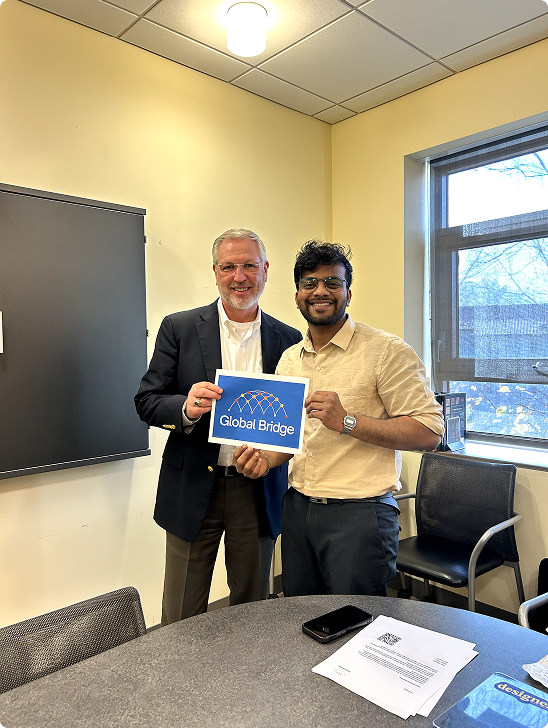
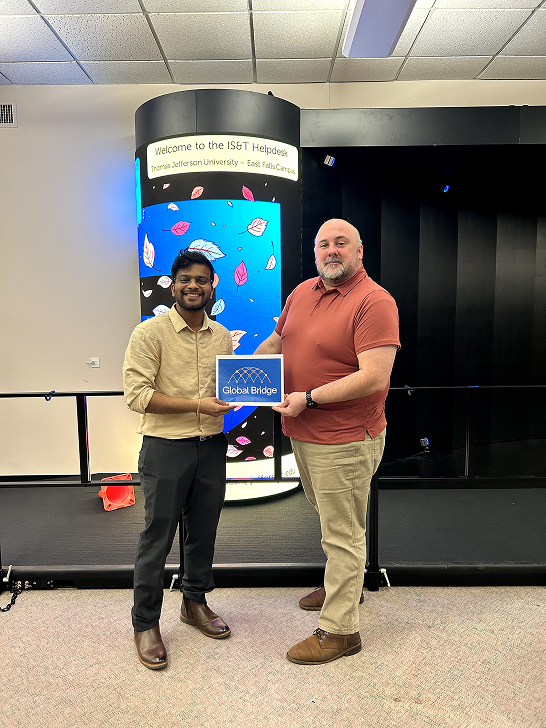
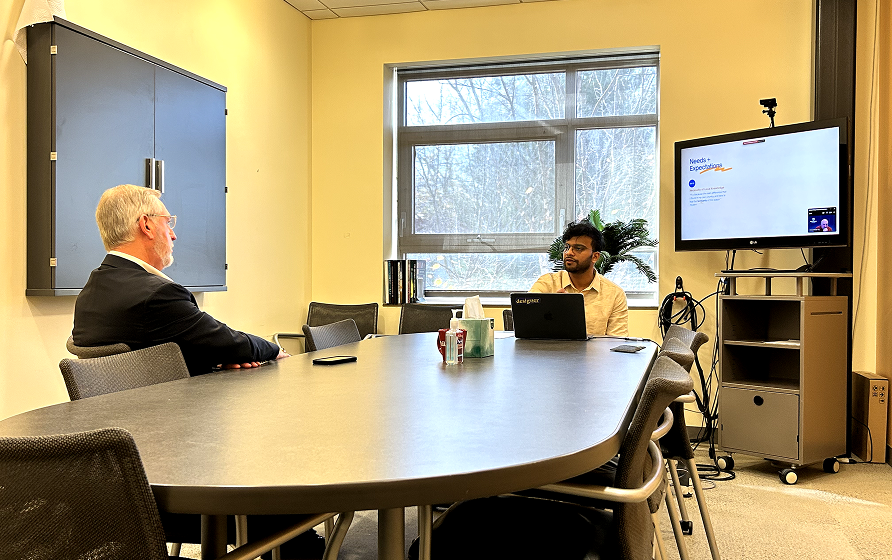
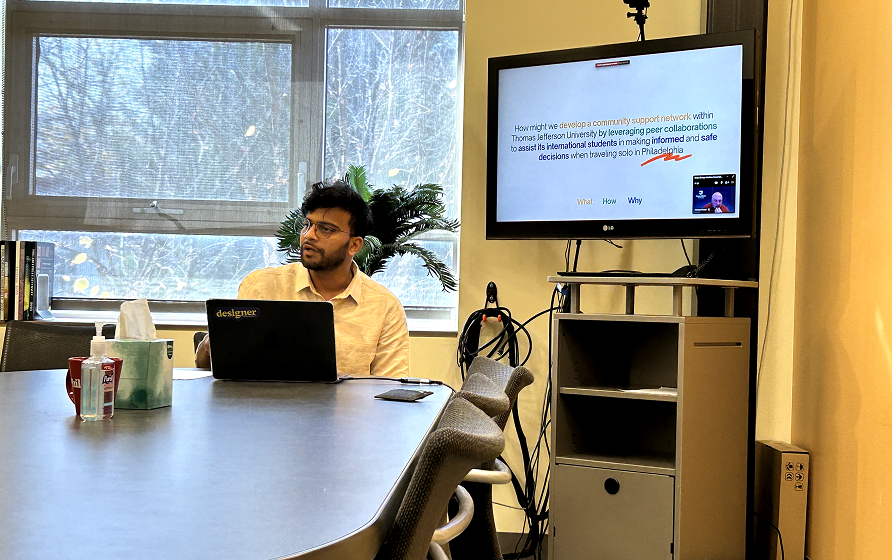
Global Bridge being approved by six executive directors at Thomas Jefferson University. Unanimous. They're still building it.

Presenting Global Bridge at TJU
With TJU executive directors
Research session
With team at TJU
Off the clock
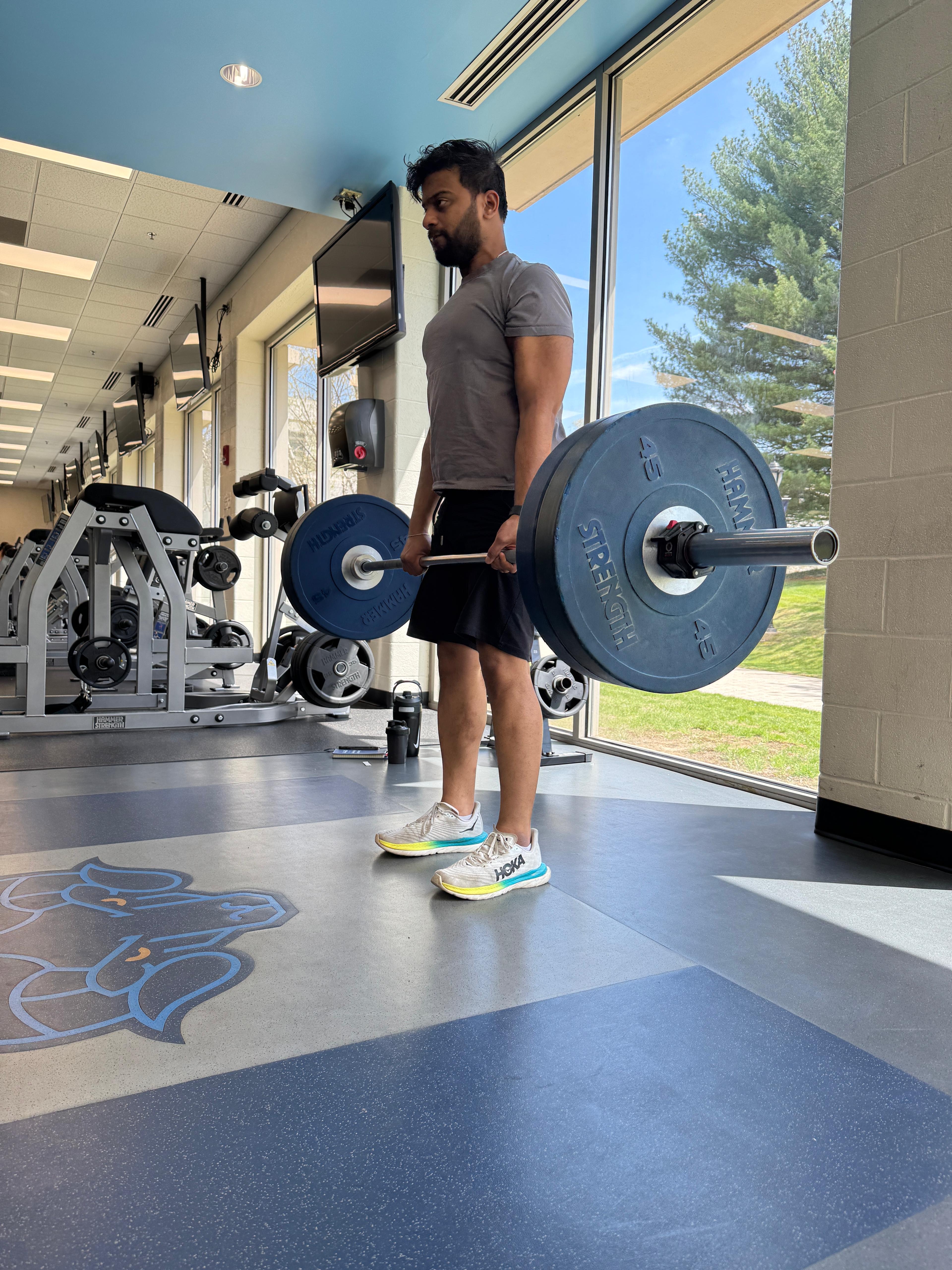
I'm not flexing my muscles, please.
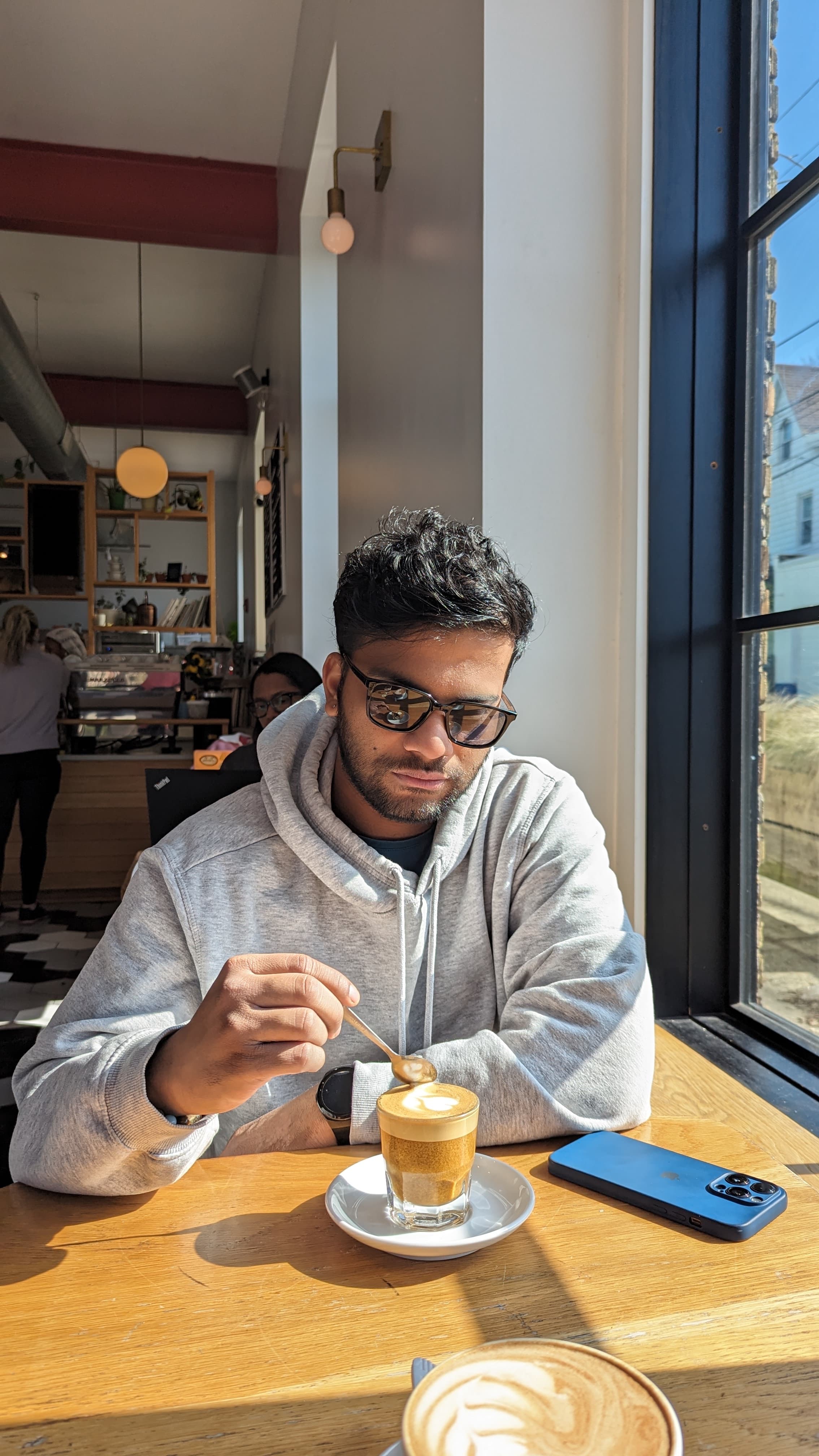
Coffee at Elixr in Rittenhouse
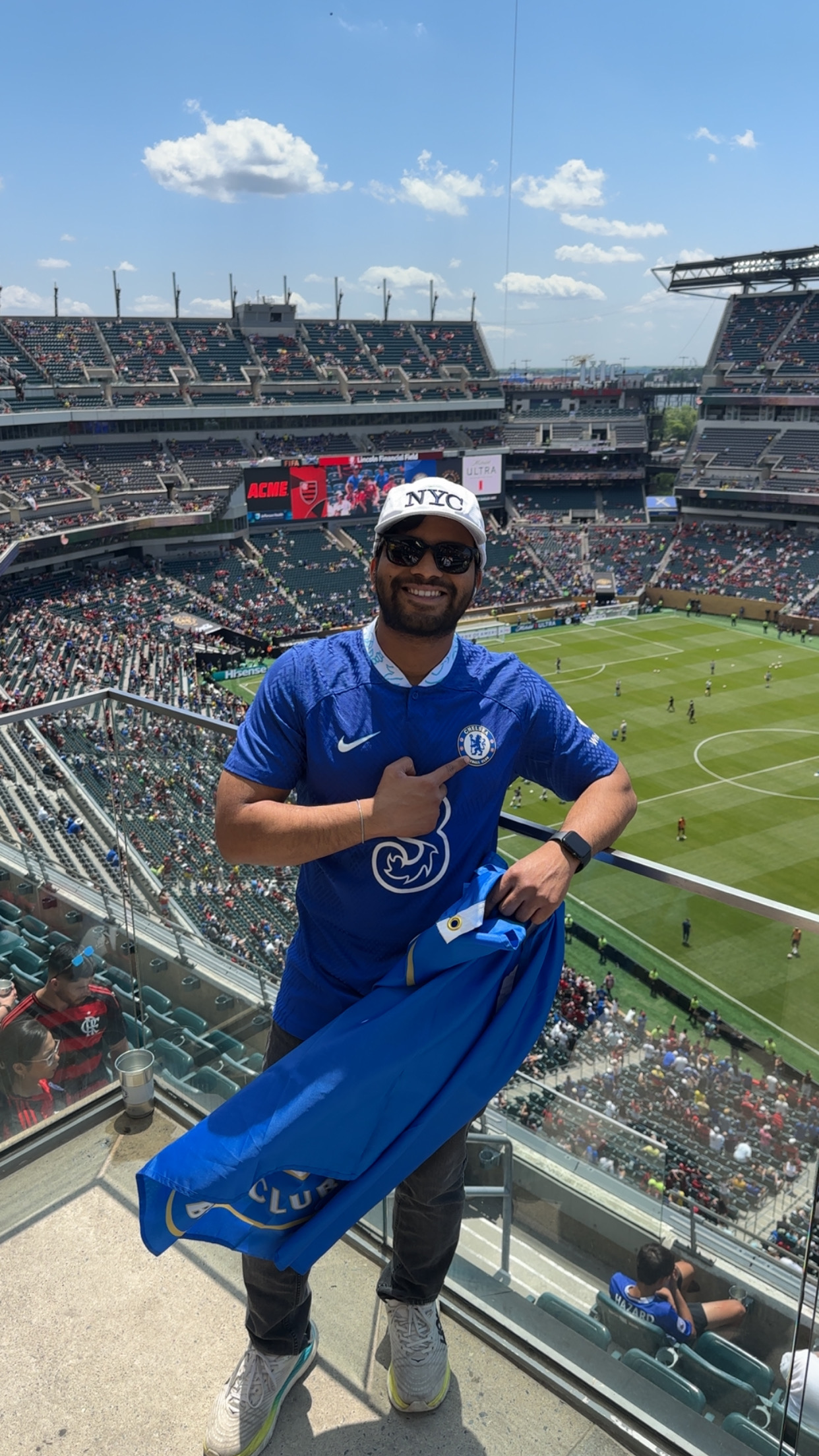
Watching Chelsea play live at the FIFA Club World Cup

When I'm not designing.

  • Cooking. Mostly Indian, occasionally ambitious. Better at dal than I am at desserts.
  • Coffee. Working through Philly one espresso at a time. Current home base: Elixr in Rittenhouse.
  • Chelsea FC. I watch every match, usually from a sports bar in Center City. Yes, even the painful ones.
  • AI podcasts on loop. My friends find this concerning.
Experience

Where I've
worked.

Eranova AI

Dec 2025 — May 2026
UX Design + Graphic Design Intern
UX AI Startup

KeelWorks Organisation

Feb — Nov 2025
User Researcher + Analyst
Research Analysis Non-profit

Verde Finance

May — Aug 2023
Product Design Intern
Product UX FinTech

ZeroToOne Labs

2022 — 2023
UI + UX Designer
UI UX SaaS

DesignCoz

2020 — 2021
UX Designer
UX Agency